
Don't Let Expired Glue Cost You Time, Money, and Production Quality
When it comes to adhesives, freshness matters more than you might think. Like many other products, glues have a shelf life, and using them past their recommended expiration date can cause serious production headaches.
Whether you're using natural protein adhesives or liquid water-based adhesives, knowing how long your glue lasts and how to spot when it's no longer suitable is essential to maintaining consistent production quality. Expired adhesives can result in poor bonding, inconsistent application, wasted substrates, equipment contamination, and ultimately, costly production delays. At LD Davis, we've been manufacturing adhesives since 1926, and we understand the importance of getting the most out of every pound of glue.
So, how do you know when your adhesive has expired? Can expired glue still be used? And what's the proper way to dispose of it?
Let's break it down.
Does Glue Really Expire?
Yes! Adhesives have a shelf life, and not all glues age the same way.
The shelf life of an adhesive depends on several factors, including its formulation, raw materials, packaging, and storage conditions.
Natural protein- and gelatin-based adhesives can be particularly sensitive to environmental conditions, while liquid water-based adhesives may be affected by air exposure, contamination, and temperature changes. Over time, an adhesive may change its physical properties, affecting how it performs during production.
Some common signs that your glue may no longer be suitable for use include:
- Mold growth: Visible mold or unusual surface growth can indicate microbial contamination.
- Changes in consistency: Glue that becomes unusually thick, thin, lumpy, or separated may no longer apply properly.
- Unusual odors: A sour or unpleasant smell can indicate that the adhesive has deteriorated.
- Hard glue cakes: Natural protein adhesives may develop hardened material or lumps that interfere with application.
- Poor bonding performance: An adhesive that previously performed consistently may begin producing weak bonds or delamination.
- Application difficulties: Changes in viscosity or consistency can interfere with rollers, glue pots, and other application equipment.
Remember that not all expired glue will show visible signs of deterioration. An adhesive can look normal but no longer meet its original performance specifications.
That's why checking your product's shelf life and following the manufacturer's recommendations is always the best practice.
What Happens If You Use Expired Glue?
When production schedules are tight, it can be tempting to use an older container of adhesive rather than open a fresh one.
However, trying to stretch the life of expired glue could end up costing significantly more than replacing it.
1. Poor Bonding and Product Failures
An adhesive's primary job is to create a reliable bond between substrates. As glue ages or deteriorates, its bonding properties may change. This can lead to weak adhesion, lifting edges, delamination, or products that fail to meet quality expectations. For manufacturers producing rigid boxes, hardcover books, packaging, and other converted paper products, adhesive failure can affect the appearance, durability, and overall quality of the finished product.
2. Equipment and Application Problems
Compromised glue may not run through your equipment as smoothly as a fresh, properly maintained adhesive. Changes in viscosity, hardened particles, or contamination can interfere with glue rollers, application systems, and other equipment components. This can result in inconsistent glue coverage, additional cleaning requirements, and unexpected production downtime.
3. Wasted Materials and Increased Production Costs
The cost of expired glue goes far beyond the price of the adhesive itself. Consider the potential expenses associated with rejected products, wasted paperboard, cover materials, additional labor, equipment cleaning, and lost production time.
4. Inconsistent Finished Product Quality
Manufacturers depend on consistency. Your adhesive should perform reliably from the first product to the last. When glue has deteriorated, you may experience inconsistent bonding, changes in set speed, or unpredictable application behavior. These problems can make quality control more difficult and increase the likelihood of customer complaints or product returns.
Expired Natural Protein and Gelatin Glue: What You Need to Know
Natural protein adhesives have been trusted in industrial manufacturing for generations, particularly in applications such as rigid box manufacturing, casemaking, and bookbinding. However, because these adhesives are derived from natural materials, proper storage and shelf-life management are especially important.
How Long Does Natural Protein Glue Last?
Most LD Davis natural protein and gelatin glue formulations have a recommended shelf life of one year, although certain formulations may differ.
For product-specific shelf-life recommendations, always refer to your Technical Data Sheet.
Can Natural Glue Last Beyond Its Expiration Date?
In some cases, properly stored natural glue may remain physically stable beyond its printed expiration date. However, an expiration date should not be treated as a suggestion or a guarantee that the adhesive will continue to perform indefinitely. If your adhesive has passed its recommended shelf life, inspect it carefully and contact LD Davis before considering it for production use. Look for visible mold, hardened glue cakes, unusual odors, or changes in appearance and consistency. Even if the glue looks acceptable, its bonding properties may have changed. If the adhesive shows signs of deterioration, do not attempt to salvage it by mixing, reheating, or adding other materials.
For more information about the benefits of these adhesives, explore our guide: Why You Should Be Using Natural Protein Glue.
Expired Liquid Water-Based Glue: Why Storage Matters
Liquid water-based adhesives behave differently from natural protein glues when it comes to shelf life. One of the biggest factors affecting their longevity is how the product is stored and handled after opening.
How Long Does Liquid Glue Last?
Most LD Davis liquid glue formulations have a recommended shelf life of approximately 90 days after opening, although this can vary depending on the specific formulation. Because opening and handling conditions can influence product stability, it's important to track when a container is first opened.
Always consult the Technical Data Sheet for your specific product.
Why Does Opening a Container Affect Shelf Life?
Once you open a liquid adhesive container, the product can be exposed to air, airborne particles, and microorganisms. Repeated opening, improper resealing, and contaminated application tools may increase the risk of deterioration. Depending on the formulation, air exposure can also cause evaporation and changes in viscosity.
To help protect your liquid adhesive:
- Keep containers tightly sealed when not in use.
- Use clean tools and dispensing equipment.
- Avoid introducing contaminated glue back into the original container.
- Store adhesive at the recommended temperature.
- Clearly mark the date each container is opened.
- Avoid unnecessary exposure to extreme heat or freezing temperatures.
These simple practices can help reduce waste and support consistent adhesive performance.
5 Best Practices to Extend the Shelf Life of Industrial Adhesives
While you cannot prevent an adhesive from aging, proper storage and inventory management can help ensure you get the most out of every shipment.
1. Store Adhesives in the Proper Environment
Temperature and storage conditions can have a significant impact on adhesive performance. Natural protein adhesives should generally be kept in a cool, dry environment, while liquid adhesives should be stored according to their product-specific recommendations. Avoid exposing adhesives to extreme temperatures, direct sunlight, or excessive moisture.
2. Keep Containers Properly Sealed
For liquid water-based adhesives, make sure lids and closures are secured whenever the product is not being used. This helps minimize contamination and unnecessary air exposure.
3. Follow a First-In, First-Out Inventory System
One of the easiest ways to reduce expired adhesive waste is to follow a first-in, first-out (FIFO) inventory system. Use your oldest suitable adhesive inventory before opening newer shipments, while always checking expiration dates and product condition. This is especially helpful for manufacturers purchasing glue in larger quantities.
4. Label Containers with Important Dates
Keep track of when adhesives are received, manufactured, opened, and scheduled to expire. For liquid adhesives, recording the opening date can help employees determine how long a container has been in service. A simple labeling process can eliminate confusion and help prevent older materials from accidentally entering production.
5. Train Employees to Recognize Warning Signs
Your production team is often the first to notice when an adhesive doesn't look or behave normally. Make sure operators know what to look for, including unusual odors, mold, lumps, separation, or changes in viscosity. Encourage employees to report questionable adhesive conditions rather than attempting to make compromised product work. A few minutes spent checking your adhesive can prevent hours of troubleshooting and costly rework.
How to Properly Dispose of Expired Industrial Glue
Once you've determined an adhesive is no longer suitable for use, the next step is to dispose of it properly. Never discard industrial adhesives without first reviewing the appropriate disposal guidelines. At LD Davis, we recommend consulting your adhesive's Safety Data Sheet (SDS) and checking applicable federal, state, and local waste-disposal regulations. Disposal requirements vary depending on the adhesive formulation, the amount being discarded, and whether the material was contaminated during use.
Disposing of Natural Gelatin-Based Glue
Many natural gelatin-based adhesives may qualify as non-hazardous waste, depending on their formulation and condition. In some circumstances, these materials may be accepted by an approved solid-waste disposal facility. However, manufacturers should always confirm the appropriate waste classification and disposal method before discarding expired adhesive.
Disposing of Liquid Water-Based Glue
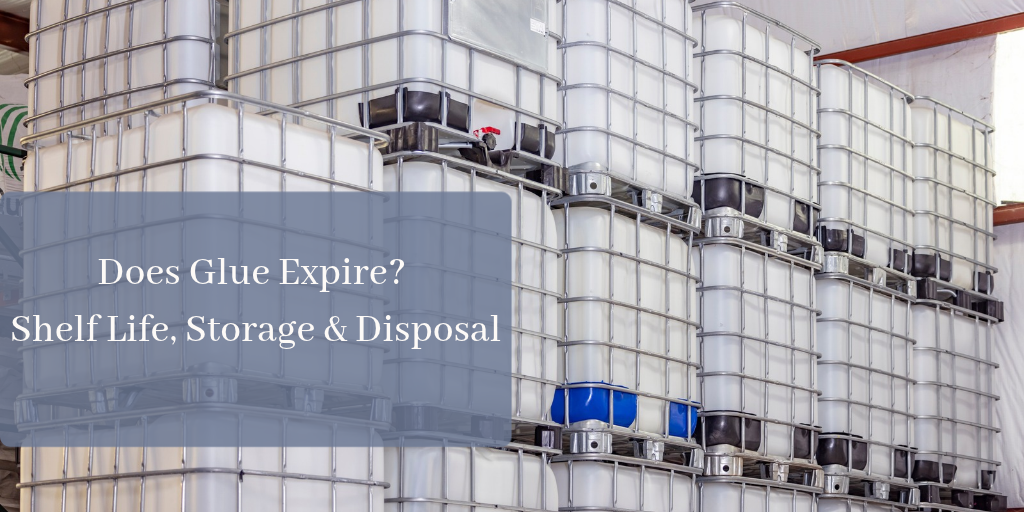
Liquid water-based adhesives may require different handling procedures depending on the quantity being discarded. For small quantities, some facilities may permit the adhesive to be absorbed into an appropriate material, such as Oil-Dri, before disposal through an approved waste stream. Do this only when permitted by the product's waste classification and applicable regulations. Larger quantities, such as drums or totes of expired liquid adhesive, may require collection by an authorized waste-management company. Never assume that water-based means you can pour an adhesive down the drain. Always verify disposal requirements first.
Trust LD Davis for Consistent, Reliable Industrial Adhesives
In industrial manufacturing, adhesive quality plays a critical role in your finished product's success.
Understanding shelf life, recognizing the warning signs of expired glue, and following proper storage and disposal procedures can help protect your equipment, minimize waste, and keep production running efficiently.
With 100 years of adhesive manufacturing experience, LD Davis understands that choosing the right glue is only part of the equation. Knowing how to store, handle, and maintain it is just as important.
Whether you're working with natural protein adhesives, gelatin glue, or liquid water-based adhesives, our team is here to help you get the most out of your products.
Have questions about your adhesive's shelf life, storage requirements, or performance?
Contact LD Davis today to speak with an adhesive specialist.
Because in manufacturing, fresh glue, consistent performance, and reliable bonds make all the difference.