
In this article you will learn:
-
The best adhesive depends entirely on the application’s physical needs.
-
For sustainable packaging, the glue needs to be just as sustainable as the packaging itself, or the product fails to be truly eco-friendly.
-
When it comes to high-volume packaging, a glue’s dry time and affordability should be considered based on the materials you are working with.
In the world of manufacturing and product design, the adhesive is often the unsung hero. It is the invisible component that holds everything together, quite literally. Whether you are crafting a luxury rigid box that needs to snap shut with a satisfying click or binding a book intended to last for generations, the success of your final product relies heavily on the bond that holds it together.
At LD Davis, we understand that selecting an adhesive is not a simple, pick one and move on process. It is a critical decision that impacts your production speed, the durability of your product, and even your brand's sustainability footprint. With so many variables—from substrate porosity to machine speed—how do you choose the right one?
This guide breaks down the best adhesive choices for common high-stakes applications, helping you find the perfect match for your manufacturing needs.
High-Performance Packaging: Rigid Boxes & Folding Cartons
Packaging is the first physical interaction a customer has with a product. It requires a delicate balance between a flawless aesthetic finish and rugged structural integrity. If the glue fails, the package fails—and by extension, the brand experience suffers.
Rigid Boxes
Rigid boxes are the gold standard for luxury packaging, used for everything from high-end electronics to jewelry. The manufacturing of these boxes requires an adhesive that can handle thick substrates and high-speed automation without making a mess.
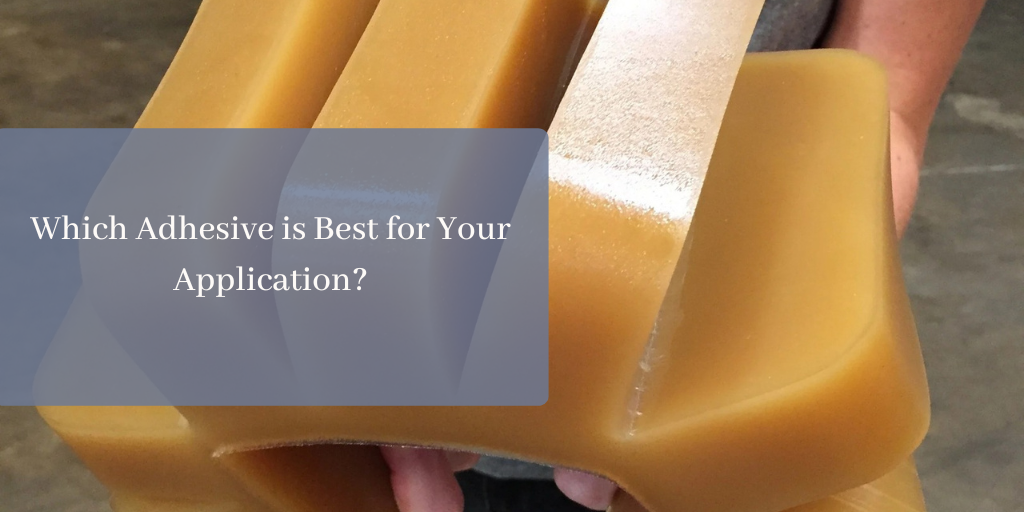
According to industry standards, the recommended adhesives for rigid box applications is Gelatin.
Why is this the go-to choice?
-
Speed and Strength: These adhesives are prized for their fast set capabilities. In a high-speed production line, you cannot afford to wait minutes for glue to dry. You need an immediate bond that keeps the line moving.
-
Security: They provide “strong fiber tear”. This technical term essentially means the bond is stronger than the paper itself; if you try to pull it apart, the paper will tear before the glue releases. This is the ultimate marker of structural integrity.
-
Cleanliness: Perhaps most importantly for luxury goods, gelatin offers “clean machining”. They run smoothly through equipment without stringing or globbing, ensuring the final box looks pristine.
Folding Cartons
Folding cartons represent the workhorses of the packaging world. From cereal boxes to cosmetic packaging, these need to be produced in massive quantities at high speeds.
For this application, the clear winner is Liquid Glue (Resin) & Hot Melt.
The advantages of Resin & Hot Melt in this context are threefold, but ultimately, depend on the equipment being used:
-
Clean Application: Like gelatin, it applies cleanly, which is vital for maintaining the visual quality of printed graphics on the carton.
-
Cost-Effectiveness: When running millions of units, the cost per unit of adhesive matters. Resin & Hot Melts offers a cost-effective solution that doesn't compromise quality.
-
Consistency: It provides "consistent performance", ensuring that the millionth carton produced is bonded just as securely as the first.
The Art of Bookbinding
Bookbinding is where durability meets aesthetics in a very tangible way. A book is a mechanical object; it has moving parts (the pages and cover) that must withstand repeated stress. Therefore, flexibility is the most critical factor in book assembly.
If an adhesive is too brittle, the spine will crack when the book is opened. If it is too weak, pages will fall out. For bookbinding applications, we recommend Gelatin and Cold Liquid Glue.
These adhesives are specifically formulated to solve the unique challenges of binding.
-
Flexibility and Durability: Both Gelatin and Cold Liquid Glue are flexible and durable. They move with the spine of the book rather than fighting against it, preserving the structural integrity over years of use.
-
Lay-Flat Properties: One of the most sought-after features in high-quality binding is excellent lay-flat properties. This allows a book to stay open on a table without snapping shut or breaking the spine, providing a superior reading experience.
Prioritizing Sustainability
As brands pivot toward “green” initiatives, the adhesive must match the substrate’s eco-credentials. It is counterproductive to use recycled paper and biodegradable ink if the adhesive renders the final package non-recyclable. Sustainable packaging requires a holistic approach where every component, including the glue, is considered.
For sustainable packaging applications, the best choices are Recycled Gelatin and Eco-Friendly Liquid.
These options allow manufacturers to maintain their environmental commitments without sacrificing performance.
-
End-of-Life Compliance: These adhesives are both biodegradable and compostable. This ensures that the entire package can return to the earth or be recycled without introducing harmful contaminants to the waste stream.
-
Uncompromised Strength: There is a common misconception that green products are weaker. However, these eco-friendly adhesives still provide strong paperboard bonding. You get the peace of mind of a sustainable product with the reliability you expect from traditional adhesives.
Specialty Materials
Sometimes, you aren’t bonding paper to paper. You might be working with foam, plastics, or heavily textured materials. These difficult-to-bond surfaces provide a unique challenge: they often lack the porosity that helps water-based glues penetrate and lock in.
For foam and specialty materials, the recommended solution is Hot Melt.
When dealing with non-porous or tricky surfaces, you need an adhesive that acts quickly and aggressively.
-
Immediate Grab: Hot Melt is known for its high tack. Tack refers to the adhesive’s stickiness the minute it touches the surface. High tack is essential for holding difficult materials in place immediately, preventing them from sliding or popping loose before the bond fully sets.
-
Speed: It offers “fast bond formation”. Because Hot Melt sets by cooling rather than drying, it hardens quickly, securing the bond in seconds.
Get the Perfect Bond
Selecting an adhesive is both a science and an art. It requires balancing the physical demands of the material—whether it's the rigid structure of a box or the flexible spine of a book—with the operational realities of your production line.
From the clean machining of Gelatin in rigid boxes to the biodegradable nature of eco-friendly liquids, every adhesive has a specific reason behind its application. Understanding these nuances ensures that your product not only looks good and functions well but also stands the test of time.
At LD Davis, we are dedicated to helping you navigate these choices to find the perfect solution for your specific application. Contact us today to get started finding the perfect adhesive solution for you.
